


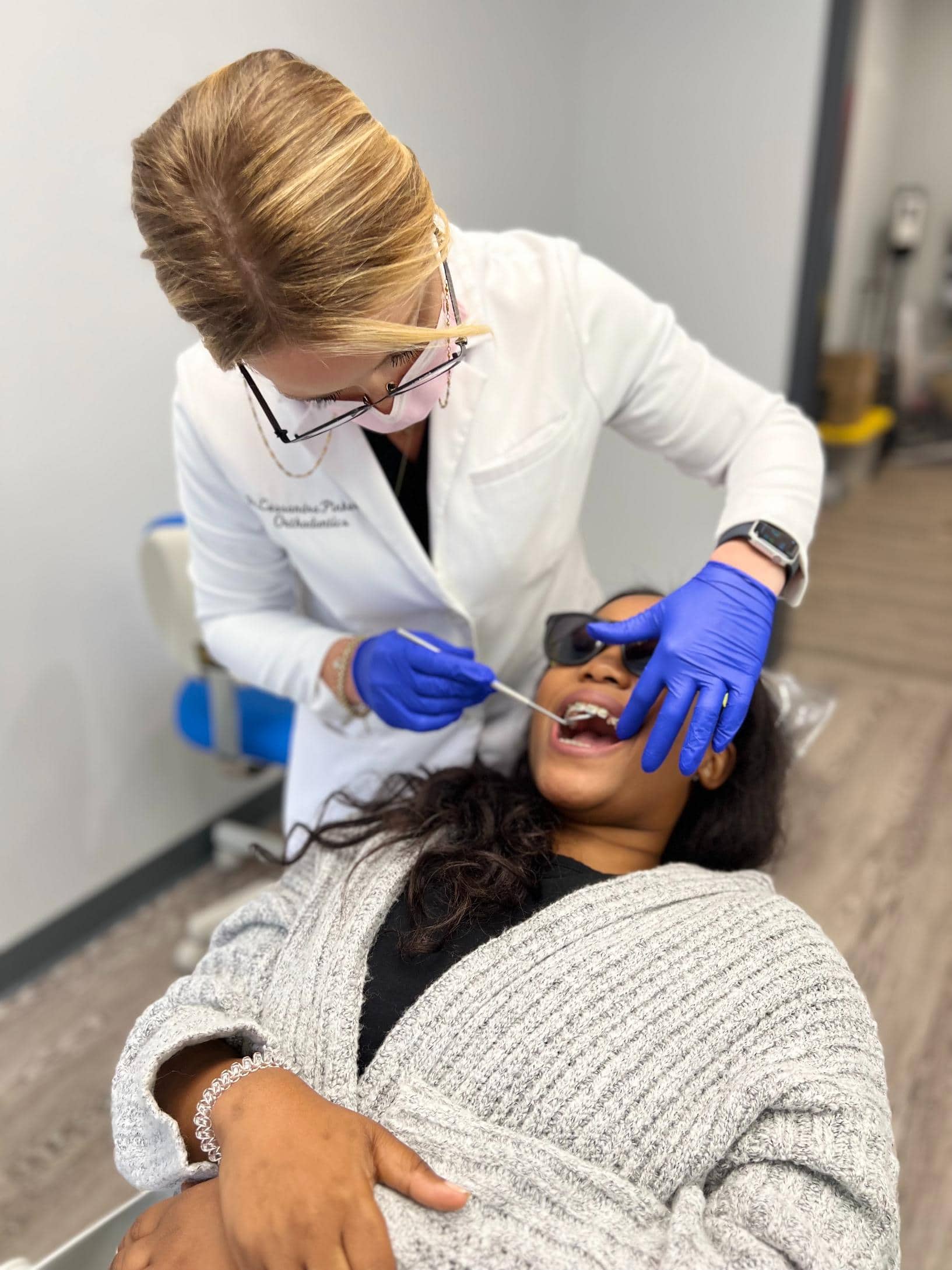
So you just got braces, or you’re about to. First question on everyone’s mind: what can I actually eat? The good news is that plenty of delicious foods are perfectly safe for braces. With a few smart choices, you can stay comfortable, protect your brackets, and keep your treatment on track. We hear this question constantly at Bartley Family Orthodontics in Bridgeport, CT, and the answer is more encouraging than most smiles expect.
Why Does It Matter What You Eat With Braces?
What you eat directly affects how smoothly your treatment goes. Hard and sticky foods can damage brackets, snap wires, and loosen bands. When these components break, your teeth aren’t moving the way they should be. That means extra visits and potentially a longer time in braces.
Softer foods are easier to chew, especially during those first few days after an adjustment visit when your teeth feel tender. The right food choices keep you comfortable and make it easier to keep your teeth clean when you’re not fighting to remove sticky residue from around your brackets.
Food particles love to hide around braces. Sugary or starchy foods that cling to brackets make it easy for bacteria to build up, which creates the perfect environment for cavities. Choosing braces-friendly foods helps you maintain better oral hygiene with braces throughout your treatment. The orthodontic team at Bartley Family Orthodontics recommends following dietary guidelines closely for exactly this reason.
According to the American Association of Orthodontists, following dietary guidelines during treatment helps ensure the best possible results and can prevent unnecessary delays. The American Dental Association also notes that smiles undergoing orthodontic treatment face a higher risk of decalcification and cavities when proper dietary habits aren’t maintained.
Best Foods to Eat With Braces: A Complete Guide
The best foods to eat with braces include soft fruits like bananas and berries, tender proteins like shredded chicken and eggs, cooked vegetables, dairy like yogurt and soft cheese, and soft grains like pasta and rice. If it’s soft enough to cut easily with a fork, it’s probably safe for your braces.
You might be surprised by how many tasty options are still on the menu. Here’s a breakdown of foods that are gentle on your brackets and easy to enjoy:
Soft Fruits That Are Safe for Braces
- Bananas
- Berries (strawberries, blueberries, raspberries)
- Grapes (cut in half for easier chewing)
- Applesauce
- Smoothies and fruit shakes
- Ripe peaches, pears, and melon slices
Ripe fruit is your best friend here. The softer and juicier, the better. Frozen fruit blended into smoothies is another great option when you want something cold and refreshing.
Proteins You Can Still Enjoy
- Tender chicken (shredded or cut small)
- Flaky fish like salmon or tilapia
- Scrambled eggs or omelets
- Soft-cooked beans and tofu
- Deli meats
- Meatballs and meatloaf
Here’s a quick tip: cut meats into small, manageable pieces before eating. Your brackets will stay intact, and you’ll have a much easier time chewing, especially in the first couple of weeks.
Grains and Starches? Mostly Good News.
- Pasta with your favorite sauce
- Soft bread and rolls (skip crusty varieties)
- Rice dishes and couscous
- Pancakes and waffles
- Oatmeal
- Soft tortillas
Dairy That Works With Braces
- Yogurt and smoothie bowls
- Soft cheeses like brie or cream cheese
- Pudding, custard, and cottage cheese
- Milkshakes
- Ice cream (without nuts or hard mix-ins)
Cooked Vegetables, Steamed or Roasted
- Steamed broccoli and cauliflower
- Mashed potatoes
- Roasted squash and baked sweet potatoes
- Cooked carrots
- Sautéed spinach
Cooking vegetables until they’re fork-tender makes all the difference. Raw veggies can be risky, but a few minutes of steaming or roasting transforms them into a perfectly safe option.
Benefits of Eating Braces-Friendly Foods
Eating braces-friendly foods protects brackets from breakage, reduces emergency visits, shortens treatment time, and lowers cavity risk. Sticking to a braces-safe diet does more than protect your hardware. The team at Bartley Family Orthodontics in Bridgeport sees the difference it makes every day.
How Does a Braces-Friendly Diet Shorten Treatment?
A braces-friendly diet shortens treatment by preventing bracket breaks that stall tooth movement. Every time a bracket breaks, your teeth stop moving as planned. That single break can set your progress back by weeks. Multiply that over several incidents, and you could be looking at months of added treatment time.
Fewer emergency visits matter, too. When you skip the foods that cause bracket and wire damage, you’re far less likely to need last-minute repair visits. That means less disruption to your schedule and a more predictable timeline from start to finish.
Can the Right Foods Improve Oral Hygiene With Braces?
Yes. Foods that don’t stick to your braces are much easier to brush and floss away, which reduces your risk of cavities and white spots around brackets. Sticky, sugary snacks give bacteria a place to thrive, and cleaning them out of brackets and wires takes real effort.
Soft foods are also gentler on tender teeth, especially in the days right after visits when everything feels sensitive. When you’re not dealing with constant discomfort or repair visits, the whole experience becomes much more manageable. Picking the right foods to eat with braces now saves you from a broken bracket later.
Foods to Eat vs. Foods to Avoid With Braces
Knowing what to skip is just as important as knowing what to enjoy. Here’s a clear breakdown:
What Foods Should You Avoid With Braces?
Hard Foods:
- Nuts, seeds, and hard candy
- Ice (don’t chew it!)
- Popcorn kernels
- Raw carrots and apples (unless cut small)
- Hard pretzels and corn chips
Sticky Foods:
- Caramel, toffee, and taffy
- Gummy bears and gummy worms
- Chewy candy like Starburst or Skittles
- Regular chewing gum
Crunchy Foods:
- Tortilla chips and hard taco shells
- Crusty bread and bagels
- Croutons and hard crackers
What Are Smart Swaps for Your Favorite Foods?
Smart swaps for braces include replacing whole apples with applesauce, corn on the cob with cut corn, hard pretzels with soft pretzels, and nuts with nut butter. Here are more ideas:
| Instead of This | Try This |
|---|---|
| Whole apple | Apple slices or applesauce |
| Corn on the cob | Corn cut off the cob |
| Meat on the bone | Meat cut off the bone |
| Raw carrots | Steamed or roasted carrots |
| Popcorn | Puffed rice snacks |
| Hard pretzels | Soft pretzels |
| Nuts | Nut butter |
| Hard candy | Soft chocolate |
With a few simple swaps, you can still enjoy most of your favorite flavors without putting your braces at risk. Our team at Bartley Family Orthodontics can help you find braces-safe versions of your go-to snacks.
What Happens If You Eat the Wrong Foods With Braces?
Eating foods that aren’t braces-safe can break brackets, bend wires, and extend your treatment time by weeks or months. Sticky foods also increase cavity risk around brackets. Accidents happen, but understanding the consequences helps you make better choices.
When you bite into something too hard or sticky, brackets can pop off and wires can bend or break. A broken bracket might not seem like a big deal, but it means that tooth isn’t receiving the gentle pressure it needs to move into position. Each repair visit takes time, and multiple breaks can extend your overall treatment significantly.
Sticky foods that linger around brackets also give bacteria a place to thrive. Over time, this can lead to cavities, gum irritation, or white decalcification spots that show up when braces come off. A few moments of caution at mealtime can save you a lot of hassle down the road. If you do break a bracket, contact Bartley Family Orthodontics right away so we can get your treatment back on track.
Tips for Eating Comfortably With Braces
The best tips for eating comfortably with braces include cutting food into small pieces, chewing with your back teeth, using orthodontic wax, and rinsing after meals. Eating with braces gets easier with practice. Here are some strategies that help:
- Cut food into small pieces. This reduces the pressure on your front brackets and makes chewing easier. Take the time to slice apples, cut sandwiches into quarters, and break up larger items.
- Chew with your back teeth. Your molars are stronger and better equipped to handle chewing. Avoid biting directly into foods with your front teeth.
- Use orthodontic wax. If a wire or bracket irritates your cheeks while eating, a small piece of wax can create a smooth barrier and make meals more comfortable.
- Go soft after visits. Your teeth will feel tender for a few days after each visit. Revisit the soft foods list above, and it makes a real difference those first couple of days.
- Rinse after meals. A quick swish of water helps dislodge food particles before they settle around your brackets.
- Ask your orthodontist for guidance. Every smile is different at Bartley Family Orthodontics in Bridgeport, and your orthodontist can give you personalized tips about specific foods to eat with braces based on your treatment plan.
Frequently Asked Questions About Eating With Braces
Can You Eat Pizza With Braces?
Yes! Stick to softer crust varieties and avoid biting into thick, crunchy edges. Cut your slices into smaller pieces and chew carefully with your back teeth. Thin crust tends to be the easiest option.
Can You Eat Chocolate With Braces?
Soft chocolate is perfectly safe and makes a great treat during treatment. Avoid chocolate with hard or sticky additions like nuts, caramel, or toffee centers. Plain milk chocolate, chocolate mousse, and soft chocolate chip cookies are all good choices.
How Long After Getting Braces Can You Eat Normally?
Most people find they can return to their regular (braces-safe) diet within three to five days. The first few days often involve more tenderness, so soft foods like smoothies, mashed potatoes, and soup are your best options during this adjustment period. If soreness lasts longer than a week, let the team at Bartley Family Orthodontics in Bridgeport know at your next visit.
Can You Chew Gum With Braces?
Sugar-free gum is usually okay in moderation, but some orthodontists recommend avoiding gum entirely because it can stick to brackets. Others say sugar-free varieties are fine. Ask your orthodontist for their specific recommendation based on your types of braces.
What Should You Eat the First Week of Braces?
During your first week, focus on soft, easy-to-chew foods that require minimal effort. Great options include smoothies, yogurt, applesauce, soup, mashed potatoes, scrambled eggs, oatmeal, pasta, and soft bread. As your mouth adjusts, you can gradually add more variety back into your meals. Your first orthodontic visit is a great time to ask about specific foods you’re wondering about.
Not Sure If Your Favorite Snack Is Safe?
Bring it up at your next visit. We’ve heard every food question you can imagine. The team at Bartley Family Orthodontics in Bridgeport, CT is always here to help you stay on track, whether you’re two weeks into braces or two months away from getting them off.